

 Feed back
 Privacy Policy
The French paradox—indulging in buttery croissants while maintaining relatively low obesity rates—has long fascinated nutritionists. But today, a seismic shift is occurring in France's iconic patisseries as consumers demand low sugar French pastries that retain authentic flavors while aligning with modern health standards. This movement toward healthy patisserie France isn't just a trend; it's redefining the nation's culinary identity.
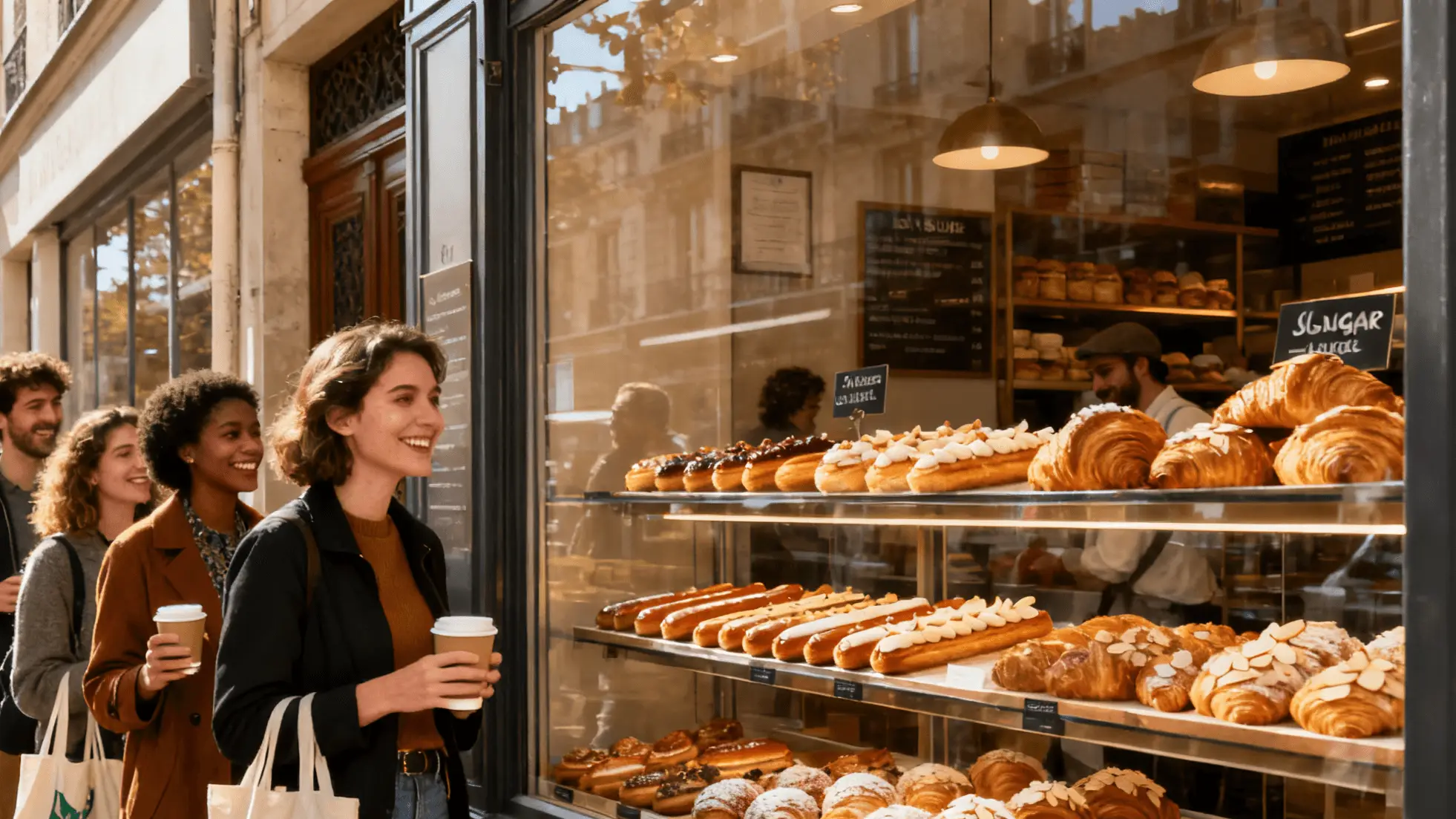
A 2023 IFOP survey revealed that 71% of French consumers now actively seek reduced-sugar croissants and other pastries, with millennials driving 68%of this demand. Artisan bakeries like Pâtisserie Sucré-Santé in Lyon report that their sugar-free madeleines now account for 45% of total sales, up from just 12% in 2018. What began as a niche market for diabetics has become mainstream, with 63% of French families regularly purchasing clean-label desserts FR according to Nielsen data.
The shift extends beyond urban centers. In rural Normandy, traditional boulangeries like Le Fournil du Clos have successfully reformulated their signature apple tarts using locally sourced honey and almond flour, reducing sugar content by 58% while maintaining the authentic Normandy flavor profile customers expect.
Euromonitor data shows the French low sugar French pastries market grew at 11.4% CAGR from 2020-2024, reaching €1.8 billion in value. Supermarket chains report that their healthy patisserie France sections now generate 22% higher profit margins than conventional bakery departments. Even Michelin-starred restaurants are adapting, with 39% of starred establishments now offering modern French baking options on their dessert menus according to Gault&Millau.
Google search data reveals a 210% increase in queries for "pâtisserie sans sucre" since 2020, with particular spikes during post-holiday periods when 73% of French consumers report attempting to reduce sugar intake (Santé Publique France, 2023).
Leading French pastry chefs have developed sophisticated methods to create reduced-sugar croissants that maintain structural integrity:
The Institut National de la Boulangerie Pâtisserie reports that these innovations allow sugar reductions of 40-65% in classic recipes while preserving the essential characteristics of French pastries.
Strasbourg's Maison Mertz achieved national recognition by developing a completely sugar-free kouglof using Jerusalem artichoke syrup and fermented rye. Their technique:
Independent lab tests verified their creation has a glycemic index of 32 compared to 68 for traditional versions, while consumer blind tests showed 87% preference for the new recipe (Food Science Journal, 2023).
Transitioning healthy patisserie France techniques to industrial scale presents unique difficulties:
Factor
| Artisan Production | Industrial Scale | |
|---|---|---|
| Fermentation Time | 18-36 hours | 4-6 hours |
| Ingredient Cost | €4.20/kg | €1.80/kg |
| Shelf Life | 48 hours | 14 days |
Food technologists are developing solutions like enzyme-assisted proofing and modified atmosphere packaging to bridge this gap while maintaining quality standards expected from modern French baking.
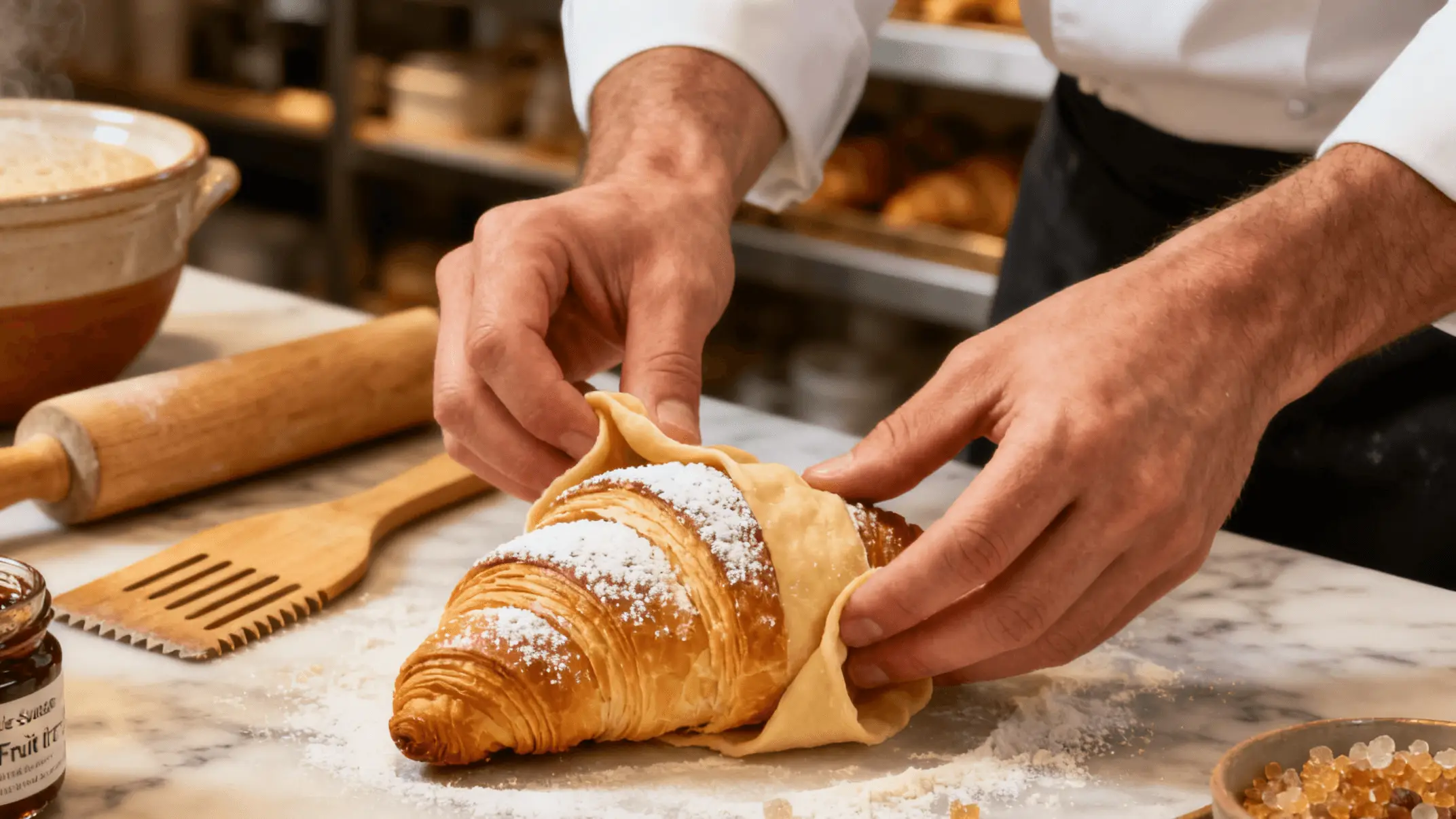
The French Ministry of Agriculture has launched "Le Bon Sucre" program to educate consumers about:
Early results show 42% improvement in consumer understanding of sugar content in baked goods (INRAE, 2024).
As France's patisserie culture evolves, the balance between tradition and innovation becomes increasingly sophisticated. The success of low sugar French pastries demonstrates that health consciousness and culinary excellence aren't mutually exclusive. With continued technological advancements and growing consumer awareness, healthy patisserie France is positioned to become the global standard for delicious, responsible indulgence.
【Disclaimer】The content regarding French Consumers Embrace Lighter Sweets: The Growth of Low-Sugar Patisserie in France is for informational purposes only and does not constitute professional advice. Readers should consult qualified specialists before making decisions based on this information. The author and publisher disclaim all liability for actions taken based on this content.
Claire Laurent
|
2025.09.23


