

 Feed back
 Privacy Policy
In recent years, the art of homemade bread making has experienced a renaissance, especially among those seeking comfort, connection, and control over their food sources. With the global pandemic prompting many to rediscover kitchen skills, beginner bread baking has become a popular hobby that blends science, patience, and creativity. Whether you're motivated by health considerations, cost savings, or simply the joy of creating something from scratch, mastering the fundamentals of basic bread making can be deeply rewarding.
This guide is designed specifically for newcomers who are curious about no-machine bread options and eager to learn how to bake using only essential ingredients like flour, water, salt, and yeast. You don't need expensive equipment or years of experience—just a willingness to experiment and enjoy the process. By the end of this article, you'll have a solid foundation in baking with yeast, along with a reliable homemade bread recipe that you can confidently replicate and adapt at home.
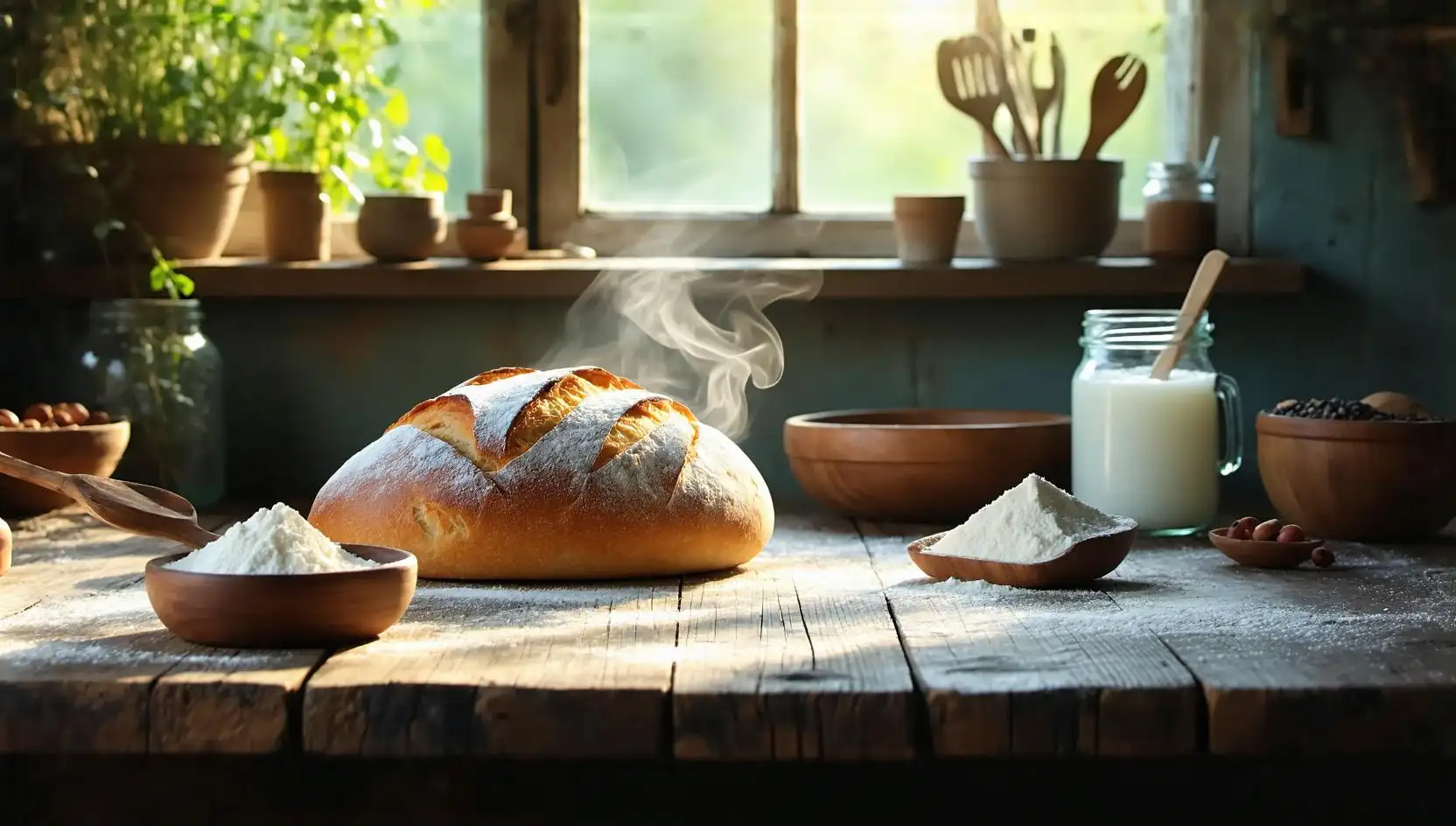
At its core, bread is a surprisingly simple creation. It consists primarily of flour, water, salt, and yeast—four humble ingredients that, when combined and transformed through heat, yield one of humanity's most enduring foods. But simplicity doesn't mean lack of complexity; each element plays a crucial role in the final product of your no-machine bread.
Flour provides the structure of bread. Wheat flour, particularly all-purpose or bread flour, contains gluten-forming proteins that give dough its elasticity and strength. For beginners in basic bread making, starting with standard all-purpose flour is recommended before experimenting with whole grains or alternative flours like rye or spelt.
Water hydrates the flour and activates the gluten network. The hydration level (the ratio of water to flour) affects the texture of the dough—higher hydration leads to an open crumb with large air pockets, while lower hydration results in a denser loaf perfect for beginner bread baking.
Salt enhances flavor and regulates yeast activity. While it may seem optional in homemade bread recipes, omitting it will result in bland bread and potentially over-fermented dough that lacks structure.
Yeast consumes sugars in the flour and produces carbon dioxide gas, which gets trapped in the gluten structure, causing the dough to expand. This process, known as fermentation, not only leavens the bread but also develops flavor and texture through baking with yeast.
Now that we've covered the essentials, let's dive into a straightforward homemade bread recipe ideal for beginners. This basic loaf requires no special equipment beyond a bowl, a wooden spoon, and a Dutch oven or baking stone.
Begin by combining the flour, salt, and yeast in a large mixing bowl. Create a well in the center and pour in the lukewarm water. Using a wooden spoon or your hands, stir until a shaggy dough forms. Cover the bowl with a clean kitchen towel or plastic wrap and let rest for 30 minutes. This autolyse period allows the flour to fully absorb the water and initiates gluten development.
After resting, perform a series of stretch-and-fold movements every 30 minutes for 2–3 hours. This technique replaces traditional kneading and helps build strength in the dough without overworking it—a key principle in no-machine bread preparation.
Once the dough has doubled in size (typically 3–5 hours depending on room temperature), transfer it to a lightly floured surface. Gently shape it into a round (boule) or oval (batard) form, then place it seam-side up in a floured proofing basket or bowl lined with a floured towel.
Cover the shaped dough and allow it to proof for another 1–2 hours until puffy and slightly expanded. Preheat your oven to 450°F (230°C), placing a Dutch oven inside to heat up as well. Carefully transfer the dough into the hot Dutch oven, score the top with a sharp knife or razor blade, and cover with the lid.
Bake for 30 minutes, then remove the lid and continue baking for another 15–20 minutes until golden brown and hollow-sounding when tapped. Cool the bread completely on a wire rack before slicing—this ensures the crumb sets properly in your homemade bread recipe.
Mastering yeast is essential for anyone serious about baking with yeast. There are two primary types used in home bread baking: active dry yeast and instant yeast. Active dry yeast requires rehydration in warm water before use, whereas instant yeast can be mixed directly into the flour—making it ideal for beginner bread baking.
The ideal water temperature for activating yeast is between 105°F and 115°F (40°C–46°C). Too hot, and you risk killing the yeast; too cold, and it won't activate properly. Once activated, yeast begins consuming sugars in the flour, producing carbon dioxide and alcohol—a process that gives bread its airy structure and complex flavor in basic bread making.
Even the most carefully followed homemade bread recipe can go awry if certain variables aren't controlled. Here are some frequent mistakes beginners encounter—and how to fix them in your no-machine bread journey:
If your dough isn't rising properly, check the expiration date on your yeast. Old or improperly stored yeast loses potency. Also, ensure your fermentation area is warm enough—cold temperatures slow yeast activity significantly in beginner bread baking.
Once you've mastered the basics of no-machine bread, the world of artisan bread opens up. Start experimenting with variations to personalize your homemade bread recipes:
Enhance your bread with fresh or dried herbs, grated cheese, sun-dried tomatoes, olives, seeds (like sesame, poppy, or flax), or chopped nuts. Incorporate these ingredients during the mixing or folding stages for even distribution in basic bread making.
Try substituting part of the all-purpose flour with whole wheat, rye, spelt, or einkorn. Each brings unique flavor profiles and nutritional benefits to your baking with yeast experiments, though they may require adjustments in hydration and fermentation times.

Bread baking is more than just a culinary skill—it's a meditative practice that connects us to tradition, science, and our senses. Every loaf tells a story, shaped by the baker's touch, timing, and attention to detail in no-machine bread creation. As you progress in your homemade bread recipe journey, remember that perfection isn't the goal—consistency, curiosity, and enjoyment are.
Don't be discouraged by setbacks. Even professional bakers encounter failed batches. What matters is persistence and a willingness to learn from each attempt in beginner bread baking. Over time, you'll develop an intuitive understanding of dough behavior, fermentation rhythms, and flavor balance through basic bread making.
Yes, you can make quick breads using baking powder or baking soda instead of yeast. However, these differ from traditional yeast-leavened bread in texture and flavor.
Freshly baked bread typically lasts 2–3 days at room temperature. For extended storage, freezing is recommended.
Active dry yeast needs to be dissolved in warm water before use, while instant yeast can be added directly to the dry ingredients.
Absolutely. Slice the bread before freezing and store in airtight bags. Reheat slices directly from frozen for best results.
Crust texture depends on baking time, oven steam, and cooling method. Adjust steam levels and ensure full cooling before slicing.
Smith
|
2025.06.30


